Cognitive School Of Thoughts

The Cognitive School of Psychology
Cognitive psychology is the school of psychology that studies mental processes including how people think, perceive, remember and learn. As part of the larger field of cognitive science, this branch of psychology is related to other disciplines including neuroscience, philosophy, and linguistics.
Cognitive psychology began to emerge during the 1950s, partly as a response to behaviorism. Critics of behaviorism noted that it failed to account for how internal processes impacted behavior. This period is sometimes referred to as the “cognitive revolution” as a wealth of research on topics such as information processing, language, memory, and perception began to emerge.
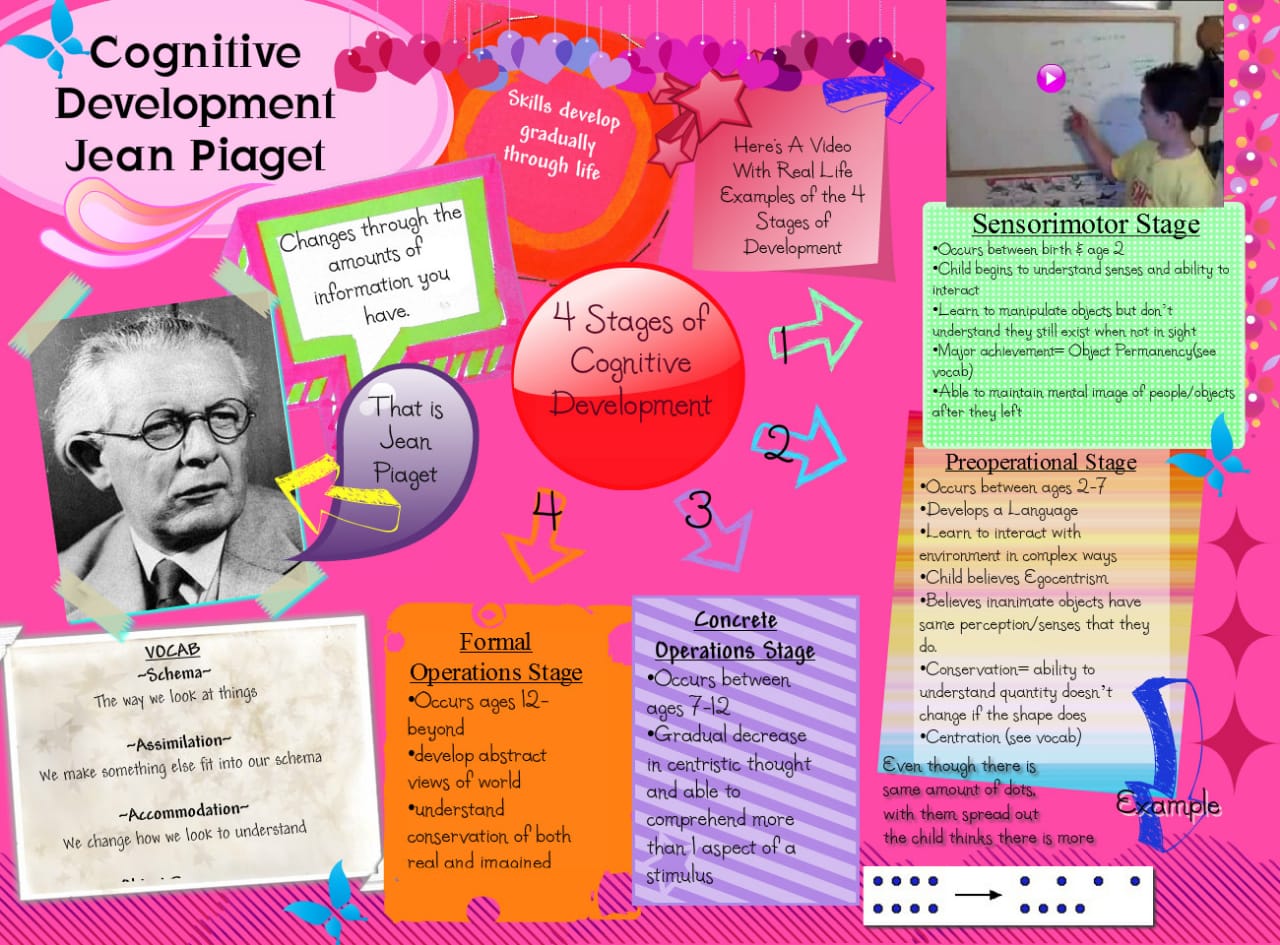
What Is Cognitive Psychology?
Cognitive psychology involves the study of internal mental processes—all of the things that go on inside your brain, including perception, thinking, memory, attention, language, problem solving, and learning. While it is a relatively young branch of psychology, it has quickly grown to become one of the most popular subfields.
There are numerous practical applications for this cognitive research, such as providing help coping with memory disorders, increasing decision-making accuracy, finding ways to help people recover from brain injury, treating learning disorders, and structuring educational curricula to enhance learning
cognitive psychology have also improved our understanding of how people form, store, and recall memories. By knowing more abo!out how these processes work, psychologists can develop new ways of helping people improve their memories and combat potential memory problems. For example, psychologists have found that while your short-term memory is quite short and limited (lasting just 20 to 30 seconds and capable of holding between five and nine items), rehearsal strategies can improve the chances that information will be transferred to long-term memory, which is much more stable and durable.
 gardner.video.blog